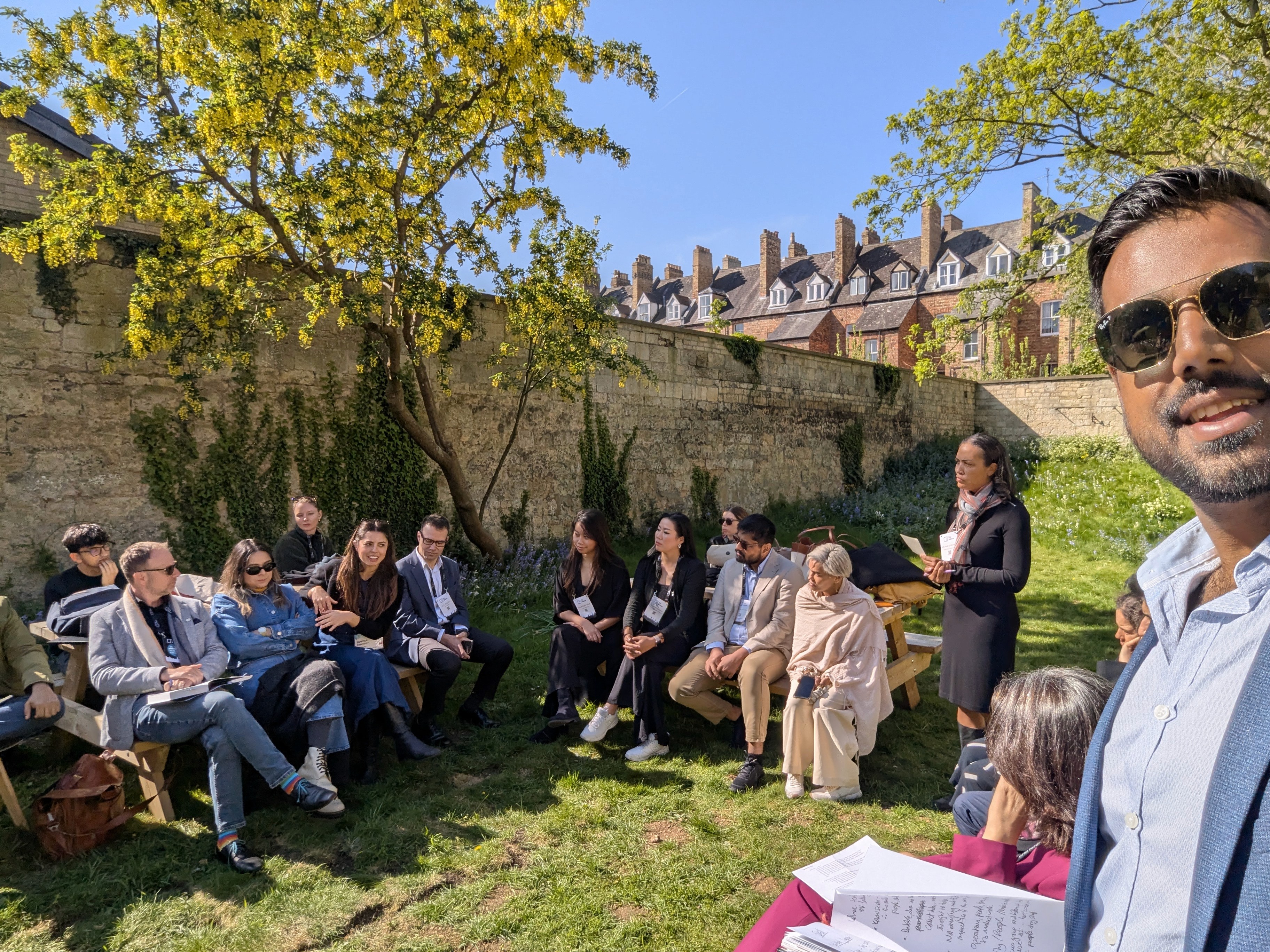
This year, Oxford became home to one of the most important gatherings in the social impact world. Skoll World Forum brings together global philanthropists, social enterprise leaders and ecosystem partners to not only celebrate what is already working, but to unpack and explore what still is not.
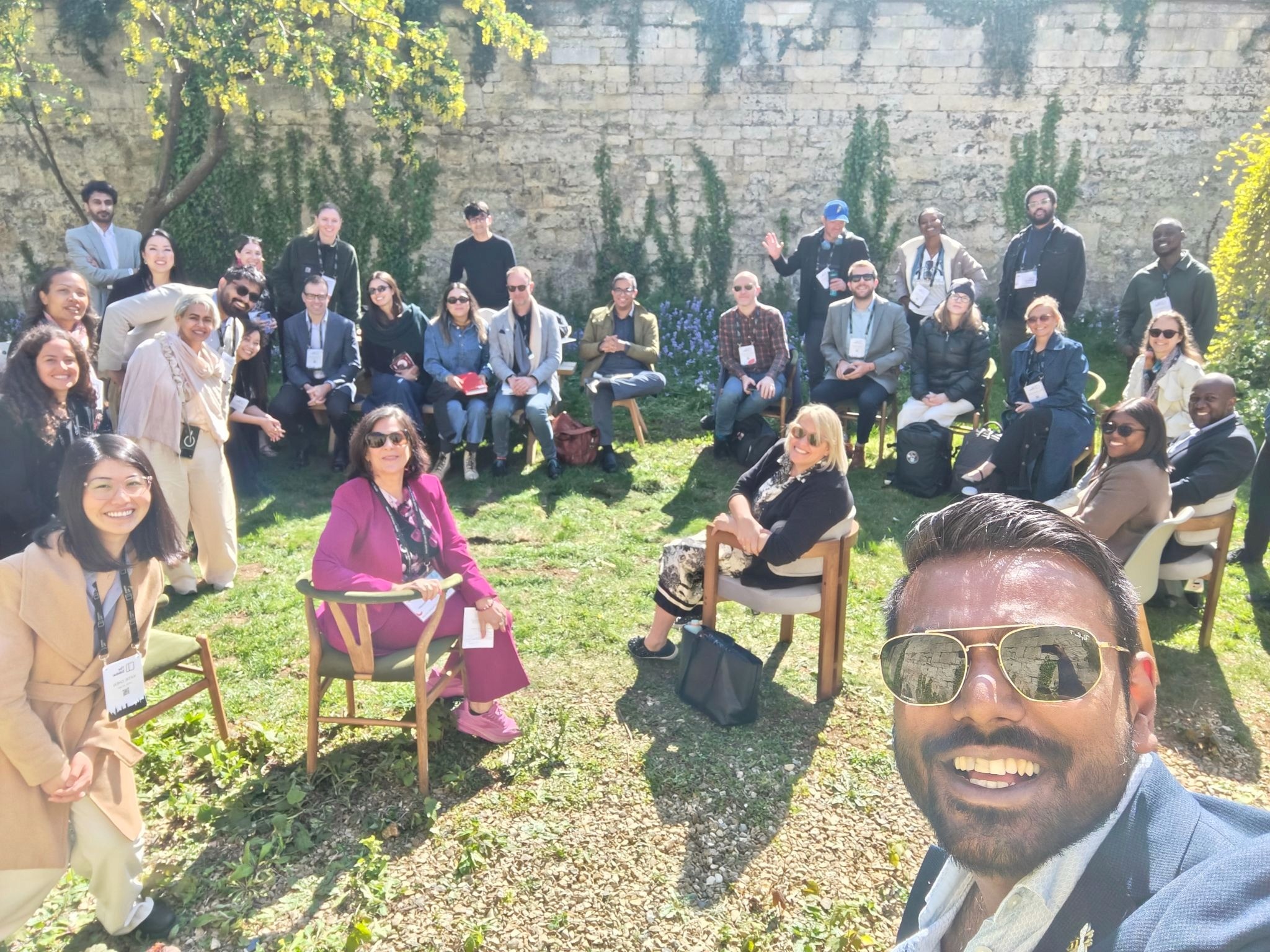
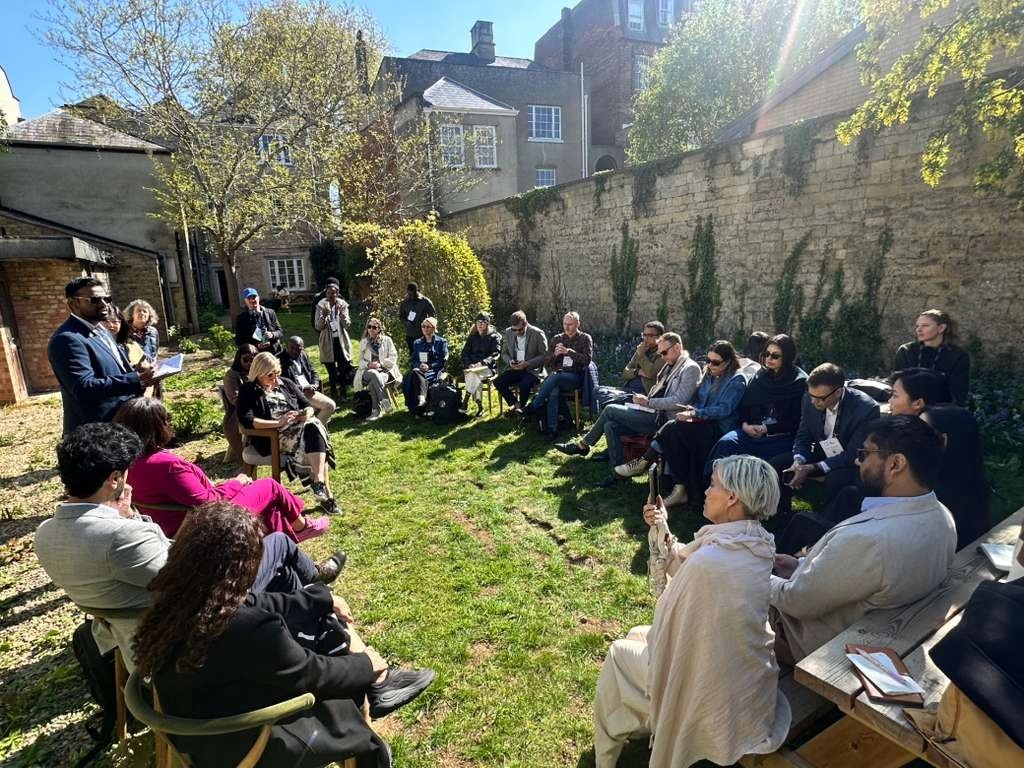
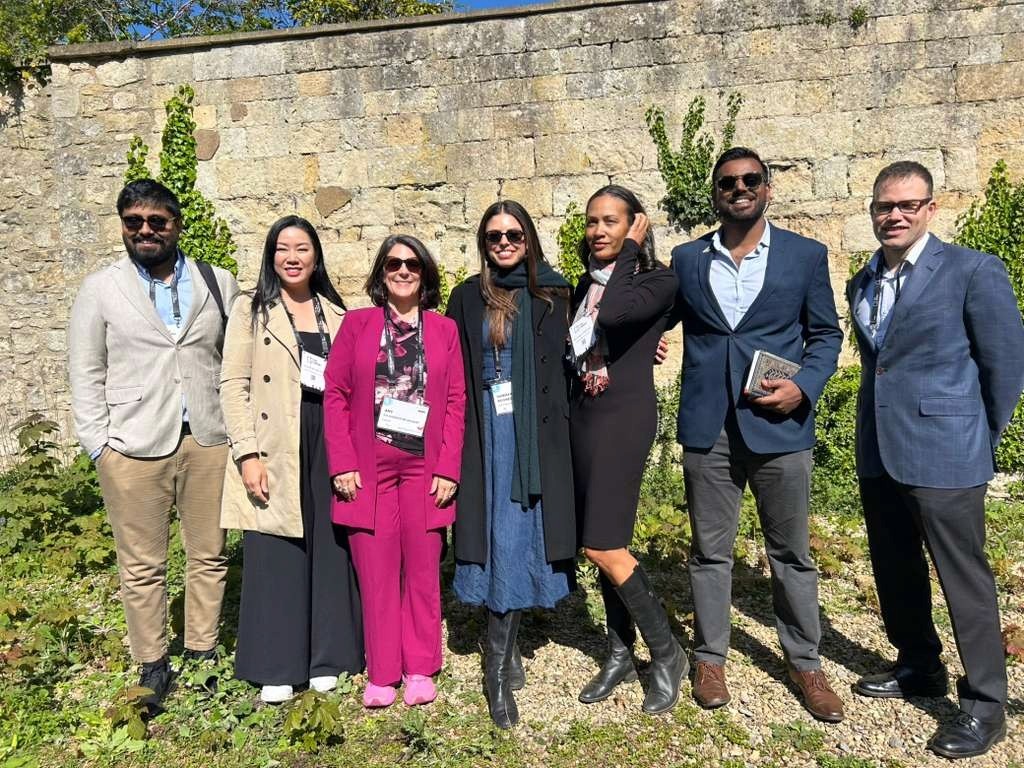
This year, I was invited to co-host a Sidebar titled “Tech for Good: From Hype to Real Impact”. Alongside practitioners and funders working across geospatial technology, evidence-based AI policy, nonprofit tooling and social impact consulting, the question on the table was a simple one: is technology actually delivering for the social sector?
It is a question I think about every day. And I had a few things I wanted to get off my chest.
The Conversation the Sector Needs to Have
The session opened with the recognition of technology’s breadth by each of the co-hosts sharing what we have achieved, learned and problems we’re facing when it comes to tech for good. Making the conversation tangible and anchored in real examples before unpacking the broad nature of how technology can move from “Hype to Reality”.
Organisations across the impact economy are experimenting with new tools, but many lack the trust, knowhow, data systems and capacity to translate that into genuine outcomes. By understanding that baseline, we explored the steps that have mitigated and enabled the successful adoption of technology across the sector.
Why do it?
“Start with why” is a commonly used phrase, and is the best place to start when a non-profit is considering the adoption of technology. Vanity metrics and virtue signalling don’t provide an advantage in this sector, and so leaders need to address what they truly want to achieve. Not every aspect of an organisation should be automated or replaced with AI, and there’s deep value in being clear on that whilst considering what bottlenecks, if removed, would enable the organisation to do more good.
Led by people
The team needs to be given autonomy and agency to define what aspects of their day-to-day work are the most taxing, repeatable and cumbersome. In an AI-coded world where it is possible to build almost anything, choosing what to build is critical. Adoption challenges can be mitigated simply by having the team be part of the process to create a solution.
Realising value
As part of defining what tech is needed, clear KPIs need to be created to define what success looks like. This can be in the form of “X number of processes are now automated”, “it takes Y amount of time less to perform Z tasks” etc. This creates a structured process that guides an organisation through the challenges of implementing a tech solution that can be embedded into business-as-usual.
Sharing is caring
The final step is about forging a collaborative mindset across organisations. Sharing knowledge, partners and infrastructure derisks the implementation of digital systems and AI to help improve the sector at an affordable price. Fostering a community with a common goal, crowdsourcing solutions and scaling their impact with tech for good.
Building a better future
At OneHive, we have developed a platform in partnership with charities to remove the parasitic parts of running a charity. The admin. The reporting. The fragmented tools that were never designed to work together, but somehow end up as the operating stack for organisations trying to change lives.
By knowing the sector and how to build solutions, we can bring together the most important elements to deliver, scale and sustain impact.
Leaning into AI, automation, and bringing those fragmented tools together has enabled OneHive to go from 2,500 to 30,000 beneficiaries in the last year alone. This approach has been repeated across 20 impact organisations, each delivering different programmes, but with common infrastructure.
“The tech should be wrapped around the impact. Not the other way around.”
That is what the session was really about. Not tools. Not platforms. Not AI for its own sake. It is about what the infrastructure unlocks. And the answer is capacity, resilience and scalability.
Making it work in reality
What I took away from the Skoll session was the sector is moving past: should we use technology? It is now asking: how do we build with it responsibly, and what foundations do we need to make it last?
The conversation is shifting from ambition to architecture. And that is exactly the space OneHive exists to fill. Not technology for its own sake, but the digital foundations that enable, empower and unlock lasting impact. So organisations can scale without adding headcount, report without drowning in admin, and never lose sight of the work itself.
However, you cannot walk into a charity and say: here is AI, here is automation, here is an operating system. Those words mean nothing to the sector.
There is a massive language gap, and if you lead with the technology, you have already lost the room so you have to come back to first principles. Start by asking what are the biggest bottlenecks? Break it down into the core delivery workflows, and then ensure the tech wraps around that.
You cannot go in like a wrecking ball. The sector is full of scrappy teams pulling it together, making it work without the resources most technology companies assume. That is not a weakness. That is the charity sector. And our job is to fit into that reality, not redesign it from the outside.
If you are curious about what a different operating model could look like for your organisation, come and have the conversation.
We are here to scale impact, not overheads.
Learn more: onehive.ai | info@onehive.ai
About the Author

Rushab Shah
Co-Founder, CEO
Bee Curious - More to Explore


Book A Demo
OneHive is a tech for good platform that has been co-designed with charities to help you scale up your impact, not your overheads.
onehive.ai