With the introduction of SORP 2026, impact reporting is no longer just a “nice-to-have” exercise. Charities are increasingly expected to demonstrate not only what they do, but the difference they make. For larger organisations, new sustainability and ESG disclosures are becoming mandatory, while smaller charities are being encouraged to strengthen transparency and accountability.
So, where should charities start?
1. Begin With Outcomes, Not Activities
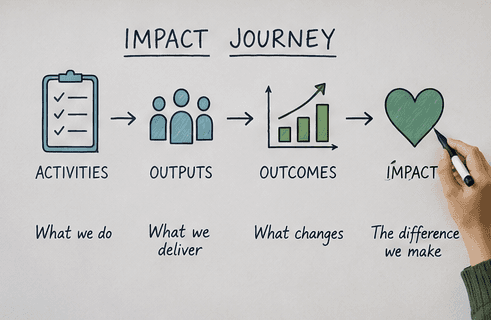
Many organisations report what they delivered — the number of sessions, events or beneficiaries reached. However, funders and stakeholders increasingly want to understand the outcomes created.
Ask yourself:
What changed because of our work?
How did we improve people's lives?
What evidence do we have?
Focus on impact rather than outputs.
2. Collect Data Throughout the Year
Trying to gather evidence at the end of the year often leads to gaps and guesswork.
Instead, build simple systems that allow you to capture:
Attendance and engagement data
Surveys and feedback
Case studies and testimonials
Progress measures and assessments
Good impact reporting starts with good data collection.
3. Use Both Numbers and Stories
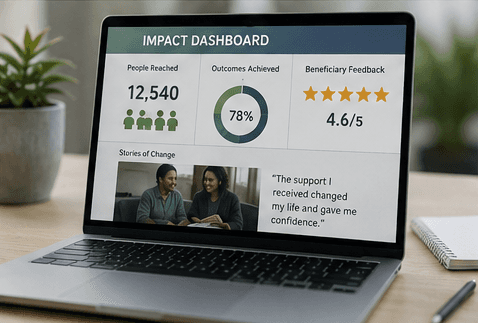
Quantitative metrics tell one side of the story, but qualitative evidence brings your impact to life.
Combine:
Statistics and KPIs
Quotes from beneficiaries
Success stories
Photographs and case studies
Together, these provide a more complete picture of your work.
4. Think About ESG and Sustainability
SORP 2026 introduces greater emphasis on environmental, social and governance (ESG) matters, particularly for larger charities. This includes areas such as employee engagement, board diversity, data security, business ethics and community support.
Even if reporting is not mandatory for your organisation, beginning to track these areas now can help build trust with funders and stakeholders.
5. Keep It Simple
Impact reporting doesn't need to be complicated.
Start with a few key questions:
Who did we help?
What changed?
How do we know?
What could we improve next year?
A consistent and evidence-based approach is far more valuable than producing lengthy reports filled with data that nobody uses.
Looking Ahead
SORP 2026 represents a wider shift towards transparency, accountability and demonstrating value. Enhanced impact reporting has been highlighted as one of the key developments in the updated framework.
Charities that start building robust impact measurement systems today will be better prepared for tomorrow's reporting requirements — and better placed to tell the story of the difference they create.
About the Author

Reeya Patel
Operations Manager
Bee Curious - More to Explore



Book A Demo
OneHive is a tech for good platform that has been co-designed with charities to help you scale up your impact, not your overheads.
onehive.ai